Showing Spotlights 1 - 8 of 2787 in category All (newest first):
 A new contactless user-interactive sensing display responds to finger movements and breath via humidity, enabling dynamic multicolor visuals for human-machine interactions.
Apr 27th, 2024
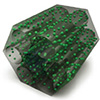 An innovative modular assembly strategy enables the creation of mesoporous materials with highly customized functionalities by precisely integrating multiple tailored nanocrystal components.
Apr 26th, 2024
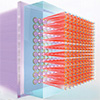 Flat optics metasurfaces enable enhanced, compact, and versatile quantum light sources for applications in quantum communication, sensing, and imaging.
Apr 25th, 2024
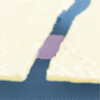 Using mechanical strain to precisely control quantum transport properties in graphene paves the way for a new generation of tunable nanoelectronics and quantum technologies.
Apr 24th, 2024
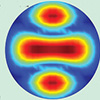 Researchers develop 'acoustic fabrics' that can actively control sound, paving the way for dynamic, noise-canceling curtains, wallpaper, and clothing.
Apr 23rd, 2024
 Nanostructured crystals revolutionize optics, acoustics, electronics and magnetics through precise wave manipulation, driving groundbreaking technological advancements.
Apr 22nd, 2024
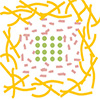 Researchers have developed high-performance, biodegradable generators that leverage wood's natural properties to convert water evaporation into green electricity.
Apr 20th, 2024
 New method uses van der Waals forces for nondestructive, atomic-scale analysis of 2D materials, preserving sample integrity.
Apr 19th, 2024

 Subscribe to our Nanotechnology Spotlight feed