

Space Exploration News – Latest Headlines
 Subscribe to our Space Exploration News feed
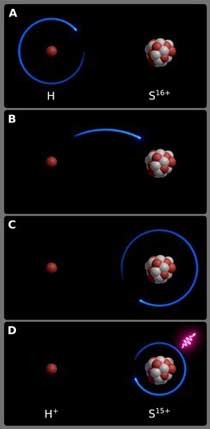
One trace of dark matter vanishes
A mysterious X-ray signal most likely originates from sulfur ions which capture electrons.
September 2, 2016 Read more
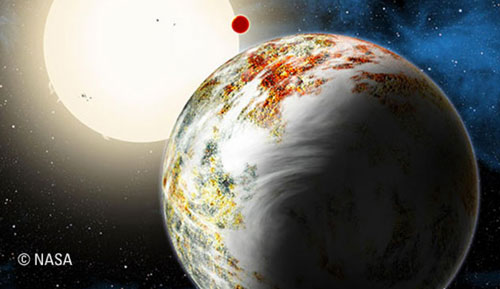
The Genesis Project: New life on exoplanets
A new essay deals with the question if life can be brought to celestial bodies outside our solar system which are not permanently inhabitable?
August 31, 2016 Read more
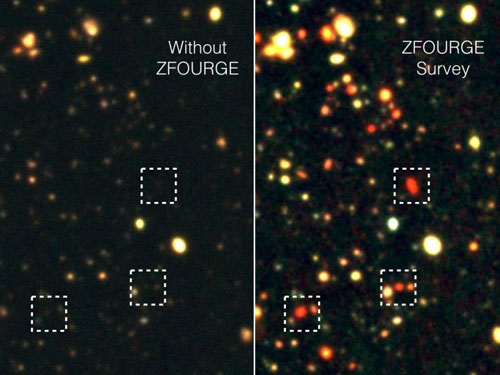
The rise and fall of galaxy formation (w/video)
An international team of astronomers has charted the rise and fall of galaxies over 90 percent of cosmic history. Their work includes some of the most sensitive astronomical measurements made to date.
August 30, 2016 Read more
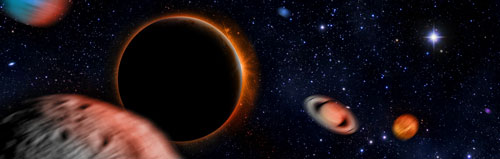
Planet Nine could spell doom for solar system
The solar system could be thrown into disaster when the sun dies if the mysterious 'Planet Nine' exists, according to new research.
August 30, 2016 Read more
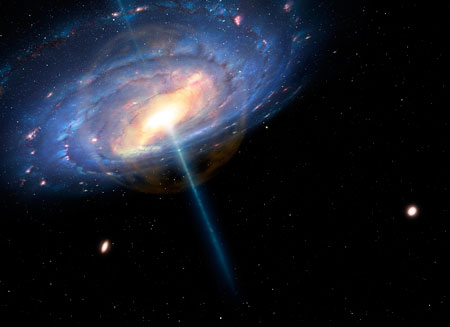
Milky Way had a blowout bash 6 million years ago
The center of the Milky Way galaxy is currently a quiet place where a supermassive black hole slumbers, only occasionally slurping small sips of hydrogen gas. But it wasn't always this way. A new study shows that 6 million years ago, when the first human ancestors known as hominins walked the Earth, our galaxy's core blazed forth furiously.
August 30, 2016 Read more
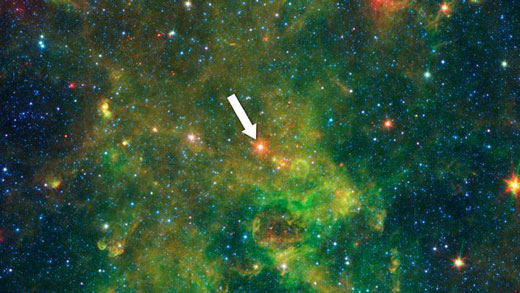
Astronomers probe peculiar age-defying star
Located more than 12,000 light-years from Earth, the object first stood out as peculiar when it was observed at particular radio frequencies. Several teams of astronomers studied it using ground-based telescopes and concluded that it is an oxygen-rich star about 10 times as massive as the sun. The question was: What kind of star?
August 29, 2016 Read more
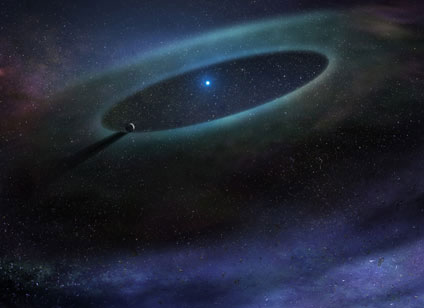
ALMA finds unexpected trove of gas around larger stars
Astronomers using the Atacama Large Millimeter/submillimeter Array (ALMA) surveyed dozens of young stars and discovered that the larger variety have surprisingly rich reservoirs of carbon monoxide gas in their debris disks. In contrast, the lower-mass, Sun-like stars have debris disks that are virtually gas-free.
August 25, 2016 Read more
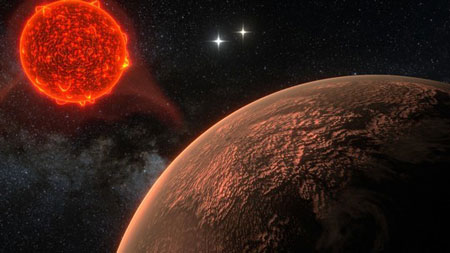
Earth-like planet near Proxima Centauri
Astronomers discover a celestial body in the habitable zone around our nearest fixed star.
August 24, 2016 Read more
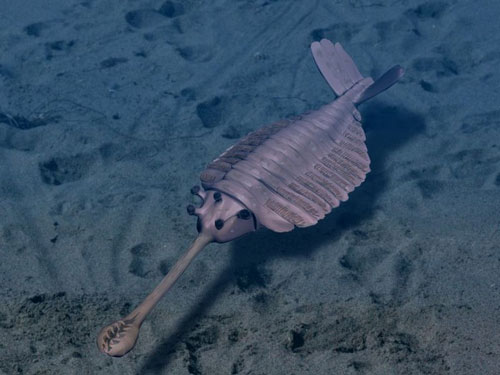
What do aliens look like? The clue is in evolution
Speculating about what aliens look like has kept children, film producers and scientists amused for decades. If they exist, will extra terrestrials turn out to look similar to us, or might they take a form beyond our wildest imaginings? The answer to this question really depends on how we think evolution works at the deepest level.
August 19, 2016 Read more
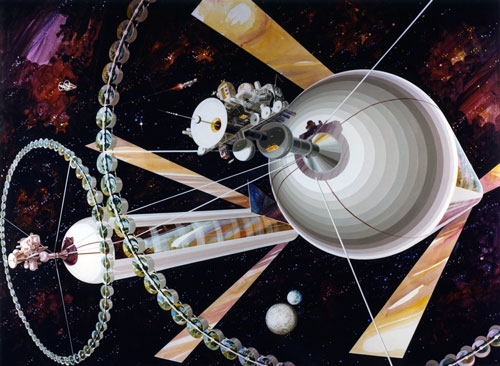
Factories in space: how extra-terrestrial industry could keep humans alive
We have yet to identify many materials that can only be created in a microgravity environment but have serious uses elsewhere. There certainly are possibilities.
August 19, 2016 Read more
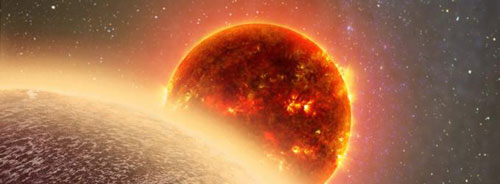
Venus-like exoplanet might have oxygen atmosphere, but not life
The distant planet GJ 1132b intrigued astronomers when it was discovered last year. Located just 39 light-years from Earth, it might have an atmosphere despite being baked to a temperature of around 450 degrees Fahrenheit.
August 18, 2016 Read more
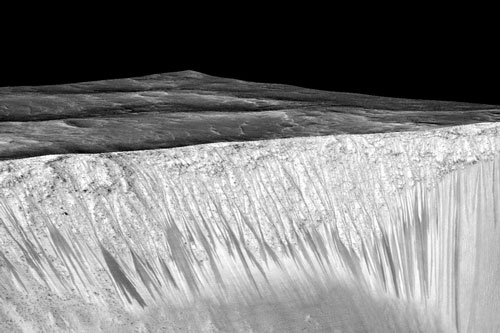
New technique may help detect Martian life
A novel interpretation of Raman spectra will help the 2020 Mars rover select rocks to study for signs of life.
August 16, 2016 Read more
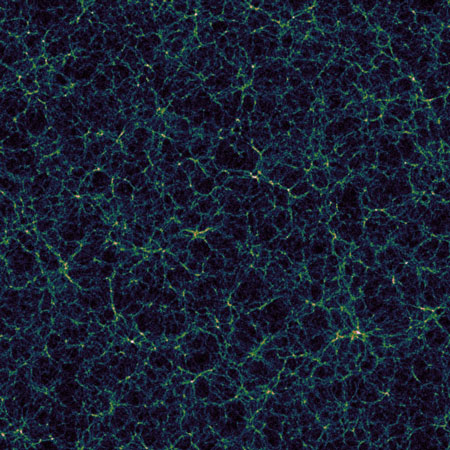
Much ado about nothing: Astronomers use empty space to study the universe
A lot of information contained in cosmic voids, study suggests.
August 11, 2016 Read more
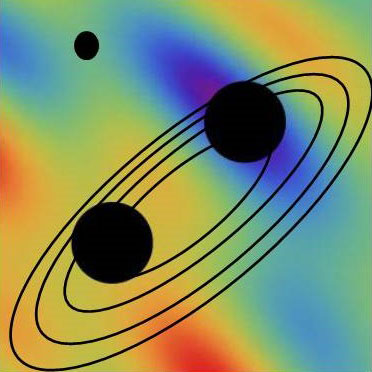
Can the origin of the first gravitational waves detected be traced back to primordial black holes?
New theory proposes scenario for the origin of the universe.
August 10, 2016 Read more
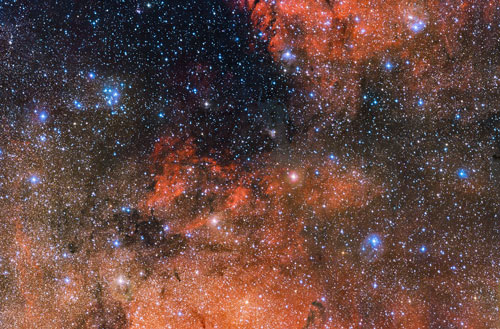
Stellar lab in Sagittarius
There are over 1000 known open star clusters within the Milky Way, with a wide range of properties, such as size and age, that provide astronomers with clues to how stars form, evolve and die. The main appeal of these clusters is that all of their stars are born together out of the same material.
August 10, 2016 Read more
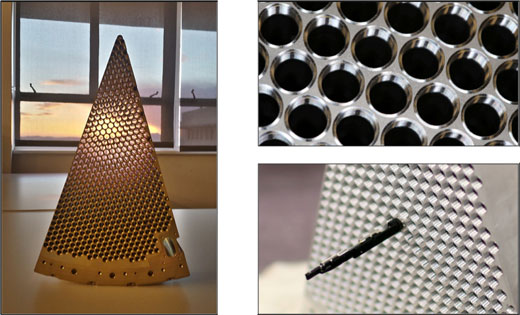
3-D galaxy-mapping project enters construction phase
DESI, the Dark Energy Spectroscopic Instrument, will measure light from 35M galaxies to provide new clues about dark energy.
August 9, 2016 Read more
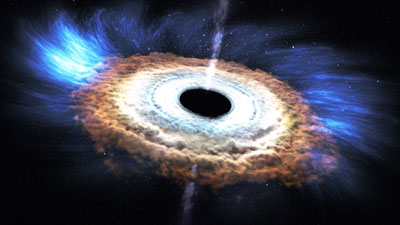
Do black holes have a back door?
A recent study suggests that matter might in fact survive its foray into black holes and come out the other side.
August 5, 2016 Read more
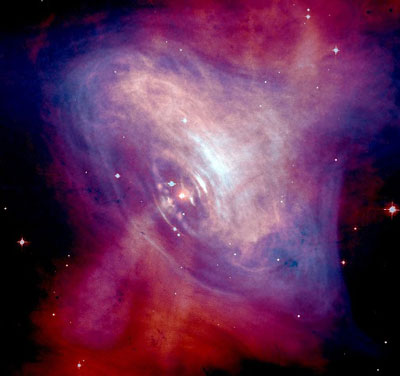
Pulsar study brings autonomous interplanetary travel closer to reality
New research shows pulsars can be used to obtain position along a particular direction in space to an accuracy of 2km.
August 4, 2016 Read more