

Robotics, AI and SmartTech News – Latest Headlines
 Subscribe to our Robotics, AI & SmartTech News feed

Research into pub communication with robot James
A robotic bartender has to do something unusual for a machine: It has to learn to ignore some data and focus on social signals. Researchers investigated how a robotic bartender can understand human communication and serve drinks socially appropriately.
November 25, 2015 Read more
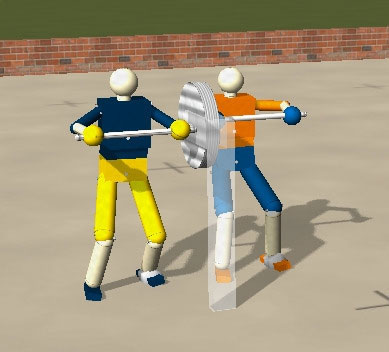
Robots: the curiosity of the body
A new learning rule could help robots to acquire new movements and explain how people develop sensorimotor intelligence.
November 24, 2015 Read more
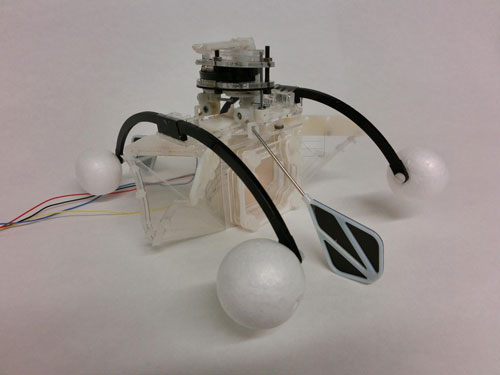
A row-bot that loves dirty water
Taking inspiration from water beetles and other swimming insects, researchers have developed the Row-bot, a robot that thrives in dirty water. The Row-bot mimics the way that the water boatman moves and the way that it feeds on rich organic matter in the dirty water it swims in.
November 23, 2015 Read more
Strategy based on human reflexes may keep legged robots from tripping
Trips and stumbles too often lead to falls for amputees using leg prosthetics, but a robotic leg prosthesis being developed now promises to help users recover their balance by using techniques based on the way human legs are controlled.
November 18, 2015 Read more

Reading the signs
Technology for fast and efficient detection of hand poses could lead to enhanced human-computer interactions.
November 4, 2015 Read more
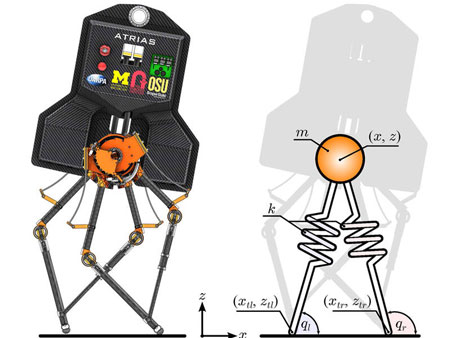
Robots learn to walk (w/video)
Researchers have developed a robot whose gait comes closer than ever before to that of humans. The results of their study could also be used to develop better prostheses.
October 27, 2015 Read more
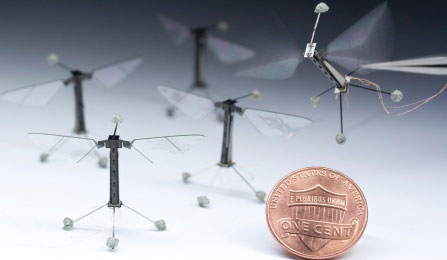
Robot bees fly and swim, soon they'll have laser eyes
The flying insects, designed for agriculture and disaster relief, will rely on technology used by driverless cars.
October 21, 2015 Read more
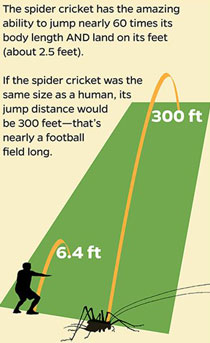
Tiny dancers: Can ballet bugs help us build better robots? (w/video)
When it's time to design new robots, sometimes the best inspiration can come from Mother Nature. Take, for example, her creepy, but incredibly athletic spider crickets.
October 20, 2015 Read more
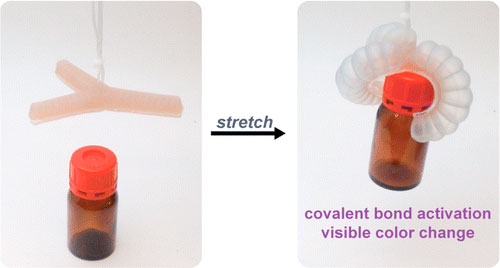
Soft robot changes color as it grips and walks (w/video)
Scientists report a way to make elastic material for soft robots that changes color when it stretches. They say this process opens the door to robot camouflage, new ways to deliver medicines and other applications.
October 14, 2015 Read more
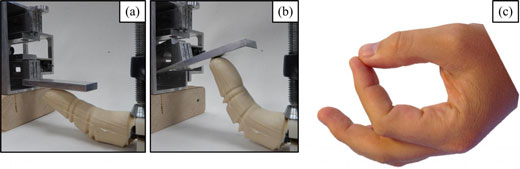
Bio-inspired robotic finger looks, feels and works like the real thing
Most robotic parts used to today are rigid, have a limited range of motion and don't really look lifelike. Inspired by nature and biology, a scientist has designed a novel robotic finger using shape memory alloy, a 3-D CAD model of a human finger, a 3-D printer and a unique thermal training technique. This bio-inspired robotic finger could ultimately be adapted to use as a prosthetic device, like a prosthetic hand.
October 8, 2015 Read more
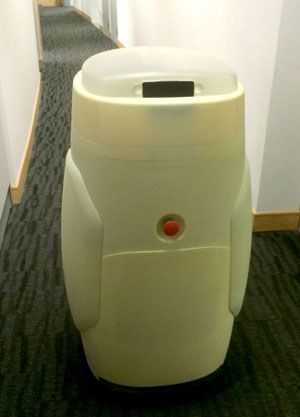
Robots navigating the unknown
A computer algorithm that copies the navigation functionality of humans and animals helps robots navigate unfamiliar spaces.
October 7, 2015 Read more
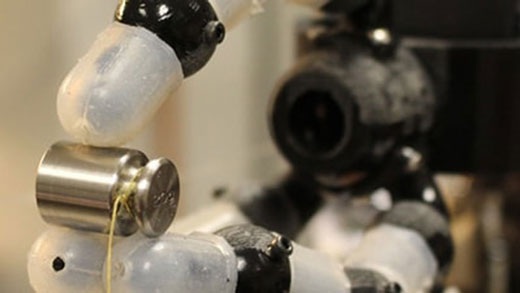
Embedded optical sensors could make robotic hands more dexterous (w/video)
Researchers have developed a three-fingered soft robotic hand with multiple embedded fiber optic sensors. They also have created a new type of stretchable optical sensor.
September 28, 2015 Read more
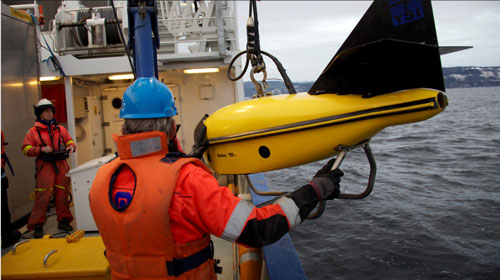
Robots - our new underwater 'astronauts'
Soon it may be easier to design, plan and carry out infrastructure operations in deep water. The EU project called SWARMs aims to achieve this by integrating autonomous vehicles such as ROVs and AUVs.
September 28, 2015 Read more
Mind your manners, robot: How social cues influence human-robot interaction
New research to be presented at the HFES 2015 Annual Meeting in Los Angeles in October examines the importance of social cues when evaluating the role of trust in human-robot interaction.
September 21, 2015 Read more
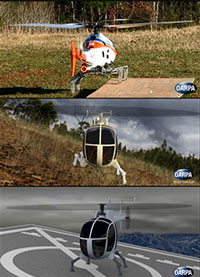
Robotic Landing gear could enable future helicopters to take off and land almost anywhere (w/video)
The adaptive system replaces standard landing gear with four articulated, jointed legs that are able to fold up next to the helicopter's fuselage while in flight and are equipped with force-sensitive contact sensors in their feet.
September 10, 2015 Read more

Biophysicists take small step in quest for 'robot scientist'
Biophysicists have taken another small step forward in the quest for an automated method to infer models describing a system's dynamics - a so-called robot scientist
August 25, 2015 Read more

Smooth robot movements reduce energy consumption by up to 40 percent
By minimizing the acceleration of industrial robots, energy consumption can be reduced by up to 40 percent - while retaining the given production time. This is the result of a new optimization algorithm.
August 24, 2015 Read more
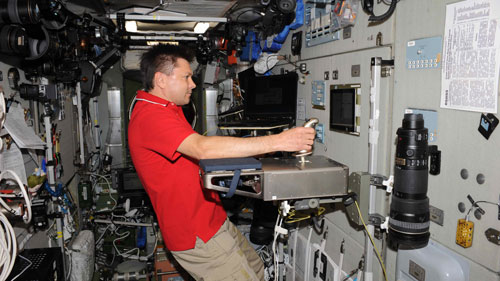
Kontur-2 - Controlling robots remotely from space
Although only about 400 kilometres separate the Kontur-2 joystick and the German Aerospace Center ROKVISS robot, the remote control operations that took place on 18 August 2015 were truly special: Cosmonaut Oleg Kononenko, flying aboard the International Space Station over Earth at 28,000 kilometres per hour, controlled the robot on the ground while in microgravity.
August 21, 2015 Read more