

Robotics, AI and SmartTech News – Latest Headlines
 Subscribe to our Robotics, AI & SmartTech News feed

Making computers explain themselves
New training technique would reveal the basis for machine-learning systems' decisions.
October 28, 2016 Read more
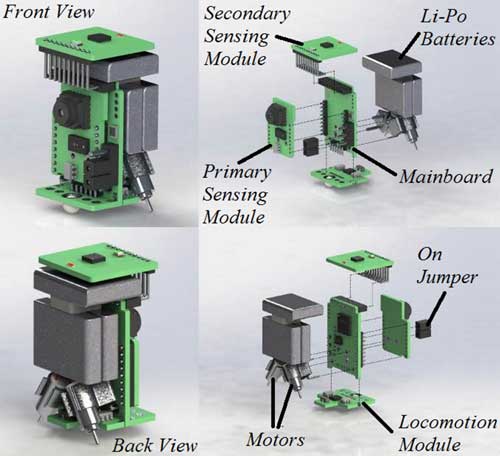
mROBerTO: The modular millirobot for swarm behavior studies (w/video)
Developed by a team at the University of Toronto, mROBerTO (milli-ROBot TORonto) is designed for swarm-robotics researchers who might wish to test their collective-behavior algorithms with real physical robots.
October 26, 2016 Read more

Robots in distress in the Venetian Lagoon
Two British artists are designing an unconventional fleet of autonomous devices that can help fight pollution in the lagoon environment of Venice.
October 25, 2016 Read more
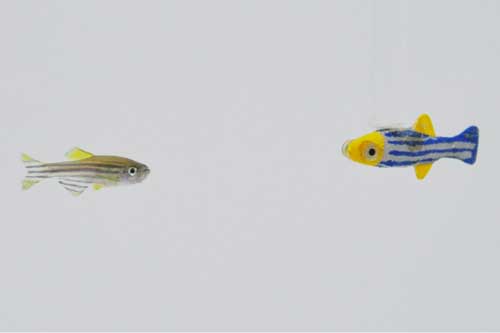
Zebrafish want to hang out with moving 3-D robotic models of themselves
Authenticity is an important trait, and zebrafish take it especially seriously. An interdisciplinary team of researchers discovered that zebrafish engage more with 3D-moving robotic models of themselves than with other stimuli.
October 24, 2016 Read more
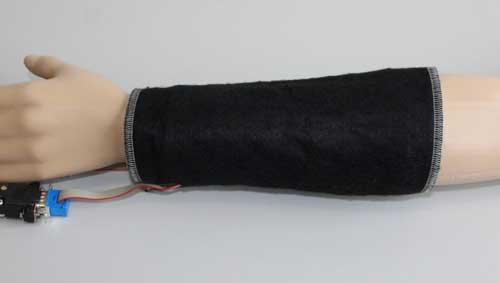
First steps towards the touch robot
Using a relatively simple system - a mannequin's arm with pressure sensors, connected to a computer - researchers have succeeded in getting it to recognize sixty percent of all touches.
October 24, 2016 Read more
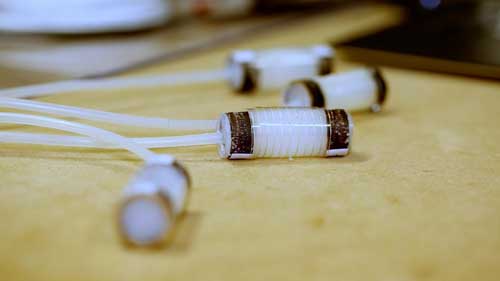
Soft robots that mimic human muscles (w/video)
Soft robots, powered by muscle-like actuators, are designed to be used on the human body in order to help people move.
October 12, 2016 Read more

There's a way to turn almost any object into a computer - and it could cause shockwaves in AI
There is the possibilty of using alternative materials - potentially any material or physical system - as computers to perform calculations, without the need to manipulate electrons like silicon chips do. And it turns out these could be even better for developing artificial intelligence than existing computers.
October 11, 2016 Read more
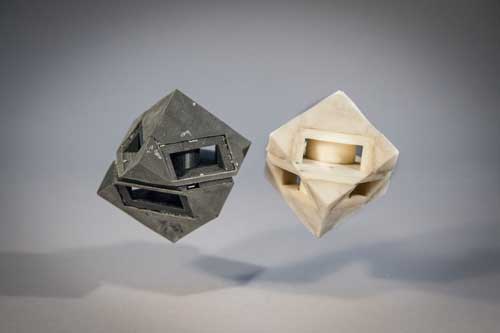
3-D-printed robots with shock-absorbing skins (w/video)
Researchers present a new method for 3-D printing soft materials that make robots safer and more precise in their movements - and that could be used to improve the durability of drones, phones, shoes, helmets, and more.
October 6, 2016 Read more

Robot law - forging a new legal discipline
What happens to privacy when drones are deployed by police? What place do agbots (agricultural robots) have in ensuring food security? Whither the legal profession now that robots are performing legal tasks overseas?
October 6, 2016 Read more
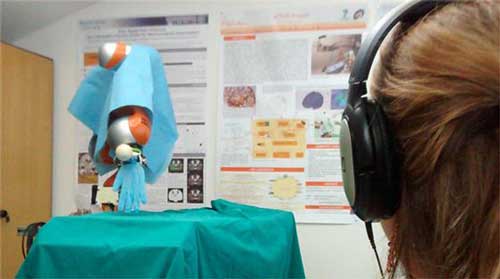
Your next nurse could be a robot
Robots can successfully imitate human motions in the operating room.
October 5, 2016 Read more
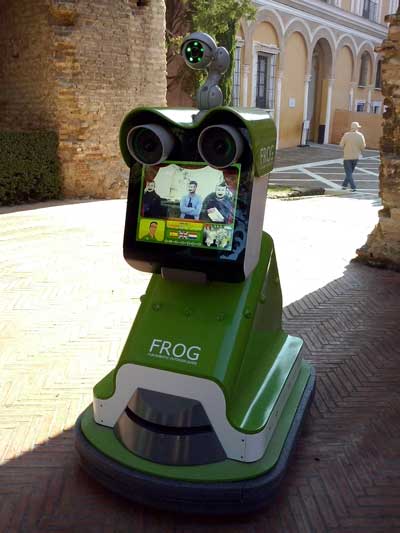
Robot doesn't have to behave and look like a human (w/video)
The R2-D2 robot from Star Wars doesn't communicate in human language but is, nevertheless, capable of showing its intentions. For human-robot interaction, the robot does not have to be a true humanoid. Provided that it signals are designed in the right way.
September 22, 2016 Read more
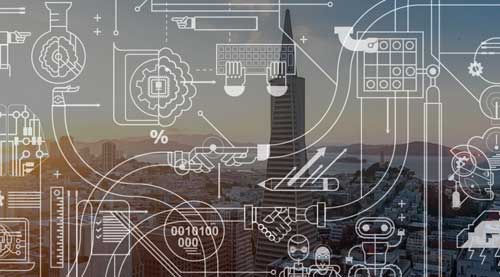
What artificial intelligence will look like in 2030
A panel of academics and industry thinkers has looked ahead to 2030 to forecast how advances in AI might affect life in a typical North American city and spark discussion about how to ensure the safe, fair, and beneficial development of these rapidly developing technologies.
September 22, 2016 Read more

Machine learning in a quantum world
From self-driving cars and IBM's Watson to chess engines and AlphaGo, there is no shortage of news about machine learning, the field of artificial intelligence that studies how to make computers that can learn. Recently, parallel to these advances, scientists have started to ask how quantum devices and techniques might aid machine learning in the future.
September 17, 2016 Read more

Artificial limbs are becoming more like wearable robots (w/video)
Here's how to convince the brain that prosthetic legs are real.
September 12, 2016 Read more
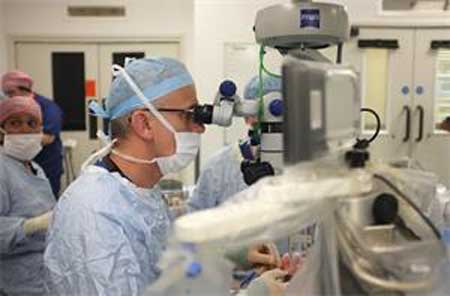
World first for robot eye operation
Surgeons have performed the world's first operation inside the eye using a robot. They used the remotely controlled robot to lift a membrane 100th of a millimetre thick from the retina at the back of the right eye.
September 12, 2016 Read more
Teaching human values to artificial intelligences
A nationwide team in the U.S. is setting out to ensure that when computers are running the world, they will make decisions compatible with human values.
September 8, 2016 Read more
Team of robots learns to work together, without colliding (w/video)
When you have too many robots together, they get so focused on not colliding with each other that they eventually just stop moving. New algorithms are different: they allow any number of robots to move within inches of each other, without colliding, to complete their task - swapping locations on his lab floor.
September 7, 2016 Read more

How maggots are influencing the future of robotics
What can software designers and ICT specialists learn from maggots? Quite a lot, it would appear. Through understanding how complex learning processes in simple organisms work, scientists hope to usher in an era of self-learning robots and predictive computing.
September 2, 2016 Read more