

Space Exploration News – Latest Headlines
 Subscribe to our Space Exploration News feed
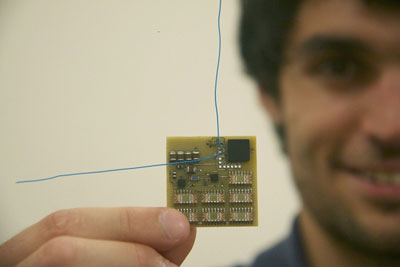
Crowd-funded, DIY spacecraft to float into low-Earth orbit
A Cornell-based project called KickSat is set to launch more than 200 tiny satellites, nicknamed "sprites," into low-Earth orbit as part of a routine NASA-administered mission in 2013 to the International Space Station.
December 5, 2012 Read more
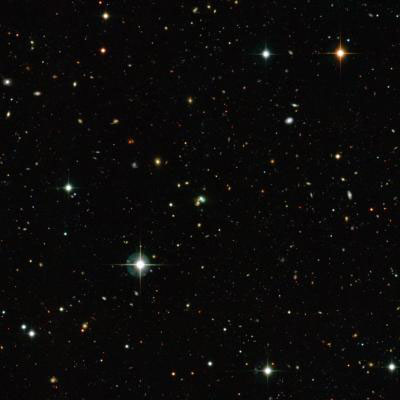
Galaxy-wide echoes from the past
VLT observations identify very rare new kind of galaxy.
December 5, 2012 Read more
Cosmic radio waves mimic chirping of 'alien birds'
Twin spacecraft have captured the clearest sounds yet from Earth's radiation belts - and they mimic the chirping of birds.
December 4, 2012 Read more
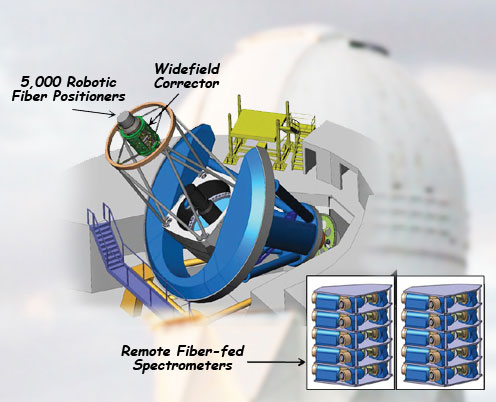
Gordon and Betty Moore Foundation gives a big boost to BigBOSS
$2.1 Million Grant to Berkeley Center for Cosmological Physics advances dark energy research at UC Berkeley and Berkeley Lab.
December 4, 2012 Read more
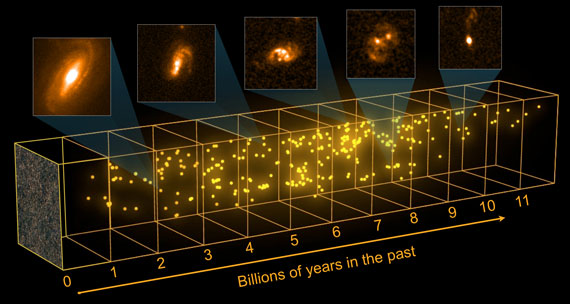
Herschel and Keck take census of the invisible Universe
By combining the observing powers of ESA's Herschel space observatory and the ground-based Keck telescopes, astronomers have characterised hundreds of previously unseen starburst galaxies, revealing extraordinary high star-formation rates across the history of the Universe.
December 4, 2012 Read more
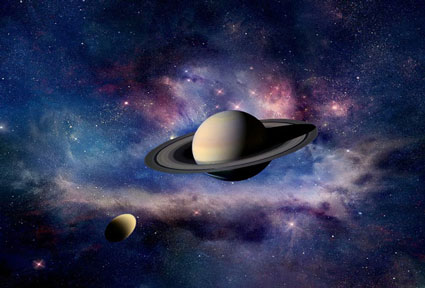
Titan, Saturn's largest moon, icier than thought
Scientists have long suspected that a vast ocean of liquid water lies under the crusty exterior of Titan, Saturn's largest moon. New analysis suggests that the internally generated heat that keeps that ocean from freezing relies on the moon's interactions with Saturn and its other moons.
December 4, 2012 Read more
Planet rings could be behind the formation of solar system satellites
Two French researchers have recently proposed the first ever model explaining how the great majority of regular satellites in our solar system were formed out of planet rings. The model, the only one of its kind, was first tested in 2010 on Saturn's moons.
December 4, 2012 Read more
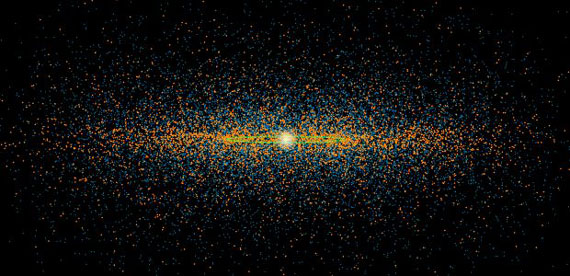
Improving software for asteroid detection
Alon Efrat and Jonathan Myers of the University of Arizona computer science department are working under a new grant to help improve methods for discovering asteroids on paths toward Earth.
December 4, 2012 Read more
Chinese astronauts may grow vegetables on Moon
Chinese astronauts may get fresh vegetables and oxygen supplies by gardening in extraterrestrial bases in the future, an official said after a just-concluded lab experiment in Beijing.
December 4, 2012 Read more
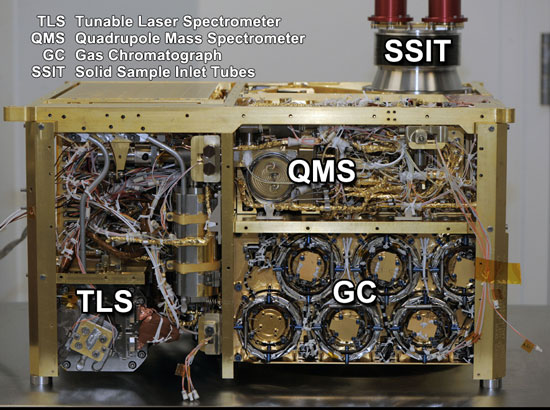
Curiosity shakes, bakes, and tastes Mars with SAM
NASA's Curiosity rover analyzed its first solid sample of Mars in Nov. with a variety of instruments, including the Sample Analysis at Mars (SAM) instrument suite.
December 3, 2012 Read more
Search for life suggests solar systems more habitable than ours
Scattered around the Milky Way are stars that resemble our own sun - but a new study is finding that any planets orbiting those stars may very well be hotter and more dynamic than Earth.
December 3, 2012 Read more
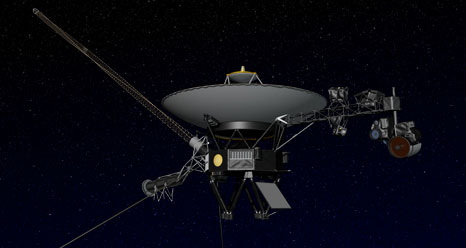
NASA Voyager 1 probe encounters new region in deep space
NASA's Voyager 1 spacecraft has entered a new region at the far reaches of our solar system that scientists feel is the final area the spacecraft has to cross before reaching interstellar space.
December 3, 2012 Read more
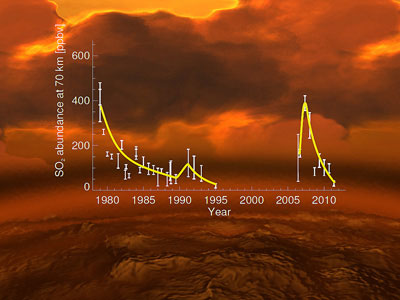
Have Venusian volcanoes been caught in the act?
Six years of observations by ESA's Venus Express have shown large changes in the sulphur dioxide content of the planet's atmosphere, and one intriguing possible explanation is volcanic eruptions.
December 3, 2012 Read more
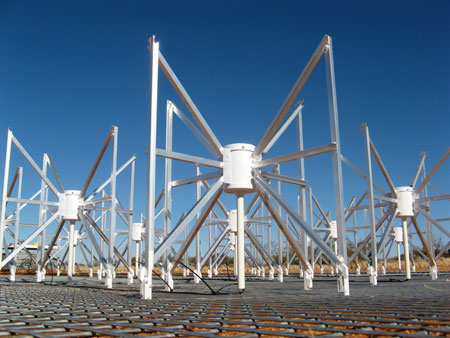
New radio telescope could save world billions
A small pocket of Western Australia's remote outback is set to become the eye on the sky and could potentially save the world billions of dollars. The Murchison Widefield Array (MWA) radio telescope, unveiled today, Friday 30 November, will give the world a dramatically improved view of the Sun and provide early warning to prevent damage to communication satellites, electric power grids and GPS navigation systems.
November 30, 2012 Read more
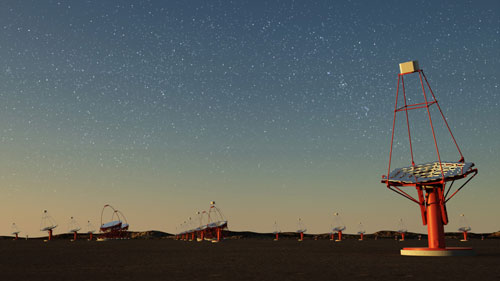
European research agencies create sustainable entity for astroparticle physics
European funding agencies for astroparticle physics celebrate today the successful work of the ASPERA European funded network and the launch of the newly founded APPEC, the Astroparticle Physics European Consortium.
November 30, 2012 Read more
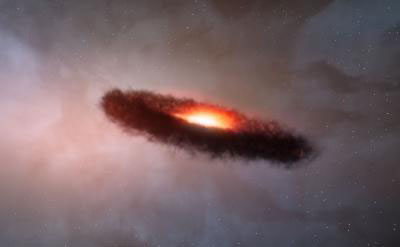
Even brown dwarfs may grow rocky planets
ALMA sizes up grains of cosmic dust around failed star.
November 30, 2012 Read more
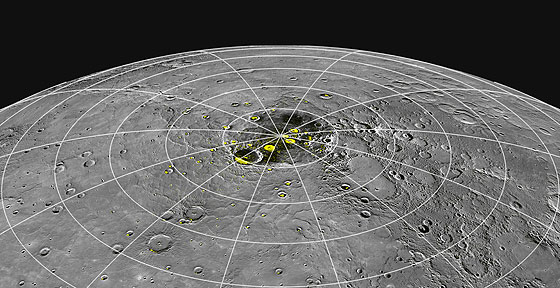
Scientists discover water ice on Mercury
Ice and organic material may have been carried to the planet by passing comets.
November 30, 2012 Read more
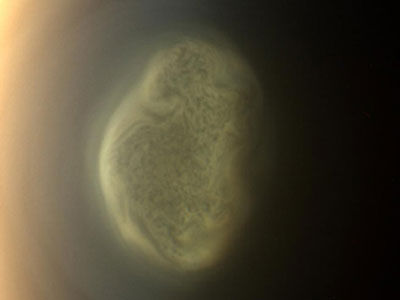
NASA's Cassini sees abrupt turn in Titan's atmosphere
Data from NASA's Cassini spacecraft tie a shift in seasonal sunlight to a wholesale reversal, at unexpected altitudes, in the circulation of the atmosphere of Saturn's moon Titan.
November 29, 2012 Read more