

Cleantech and Environmental News – Latest Headlines
 Subscribe to our Cleantech News feed
The Nature Conservancy and six universities creating new brand of scientist to solve global issues
To meet 21st-century food, water and energy challenges, the world needs more women and men with interdisciplinary training and access to world problems on the ground. As a result, Cornell and five other universities have partnered with The Nature Conservancy to establish the NatureNet Science Fellows Program, which is intended to help develop a new breed of interdisciplinary scientists with academic savvy, and skills and opportunity to solve real-world problems.
January 15, 2013 Read more
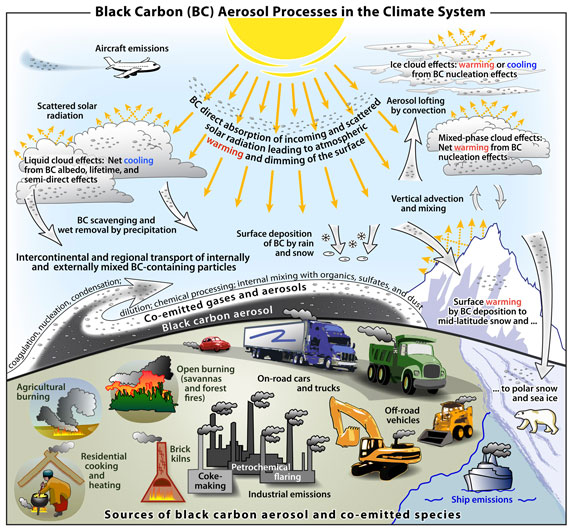
Black carbon is much larger cause of climate change than previously assessed
Black carbon is the second largest man-made contributor to global warming and its influence on climate has been greatly underestimated, according to the first quantitative and comprehensive analysis of this pollutant's climate impact..
January 15, 2013 Read more
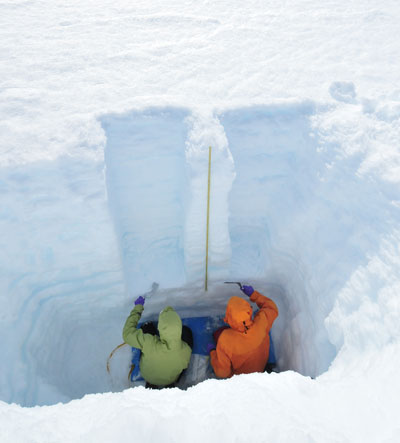
Where there's smoke or smog, there's climate change
In addition to causing smoggy skies and chronic coughs, soot - or black carbon - turns out to be the number two contributor to global warming. It's second only to carbon dioxide, according to a four-year assessment by an international panel.
January 15, 2013 Read more
New study reveals gas that triggers ozone destruction
Scientists at the Universities of York and Leeds have made a significant discovery about the cause of the destruction of ozone over oceans.
January 15, 2013 Read more
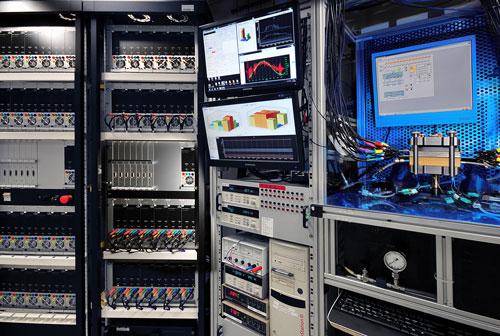
German-Canadian partnership for sustainable energy technologies
Fraunhofer and The University of British Columbia UBC in Vancouver, Canada will partner to jointly develop technologies for sustainable energy production and supply.
January 14, 2013 Read more
China to join International Renewable Energy Agency
China has announced it will join the International Renewable Energy Agency (IRENA), a milestone in international efforts to double the share of renewable energy worldwide by 2030.
January 14, 2013 Read more
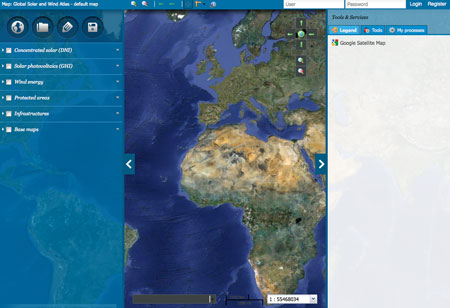
Pioneering global atlas for renewable energy goes online
The world's first open-access Global Atlas of renewable energy resources went live yesterday, announced at the annual general assembly of the International Renewable Energy Agency (IRENA).
January 14, 2013 Read more
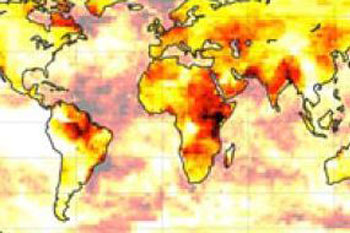
Global warming has increased monthly heat records by a factor of five
Monthly temperature extremes have become much more frequent, as measurements from around the world indicate. On average, there are now five times as many record-breaking hot months worldwide than could be expected without long-term global warming.
January 14, 2013 Read more
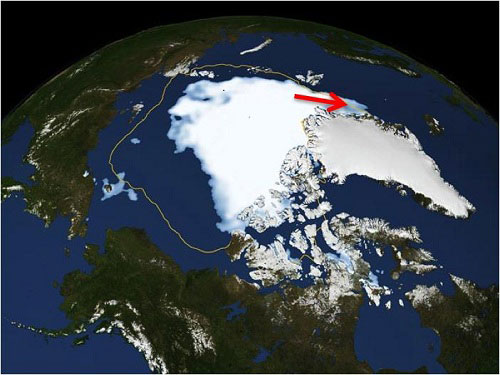
Arctic sea ice decline and ice export
The Arctic sea ice is shrinking, both in extent and thickness. In addition to the manmade contribution to the sea ice loss, there are also natural factors contributing to this loss.
January 14, 2013 Read more
An interactive tool to experiment with future energy use scenarios
The U.S. Department of Energy's (DOE) National Renewable Energy Laboratory (NREL) has created an energy analysis tool to help individuals and educators experiment with future energy use scenarios.
January 12, 2013 Read more
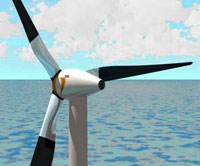
EU project will shake up offshore wind market with smaller wind turbines
SUPRAPOWER is an EU FP7 founded research project focused on a major innovation in offshore wind turbine technology by developing a new compact superconductor-based generator.
January 11, 2013 Read more
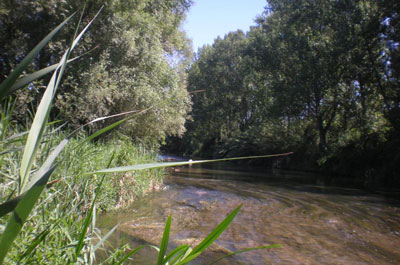
Salinisation of rivers: a global environmental problem
The salinisation of rivers is a global problem that affects to countries all over the world and it causes a high environmental and economic cost, and poses a high risk to global health. Climate change and the increasing water consumption can worsen even more the future scene.
January 11, 2013 Read more

Long-term roadmap for energy-efficient buildings
A European consortium is organising a multi-sectoral partnership of stakeholders involved in defining research agendas for energy-efficient buildings. The goal is a long-term strategic research roadmap.
January 11, 2013 Read more
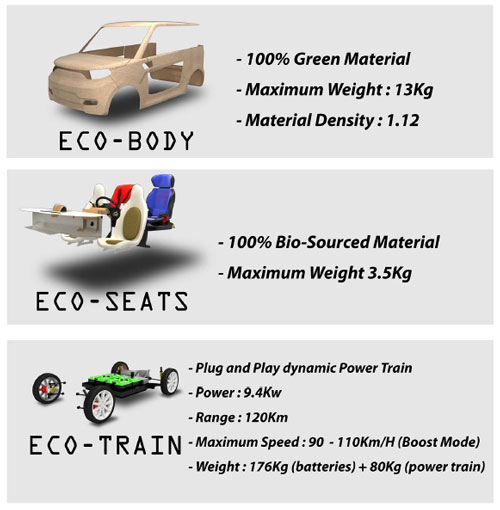
Electric cars that are twice as 'green'
Scientists are developing a design concept for a light-weight electric car made largely of plant-based materials.
January 11, 2013 Read more
Compostable textiles
Scientists are developing novel textiles from 100 % renewable and natural materials. Groundcovers and insect screens are among the numerous products targeted for application of the eco-friendly technology.
January 11, 2013 Read more
Developing heat tolerant crops
With heatwaves predicted to increase in intensity and duration, the importance of heat tolerant crops is becoming increasingly urgent.
January 10, 2013 Read more

NASA chases climate change clues into the stratosphere
Starting this month, NASA will send a remotely piloted research aircraft as high as 65,000 feet over the tropical Pacific Ocean to probe unexplored regions of the upper atmosphere for answers to how a warming climate is changing Earth.
January 10, 2013 Read more
New program to exploit the potential of photosynthetic microalgae
The BOLERO program will identify the molecules with the most potential and will optimize their synthesis by selecting improved strains to increase production yields.
January 10, 2013 Read more